pacific catch nutrition information pdf free

Pacific Catch Nutrition Information: A Comprehensive Guide
Accessing detailed nutritional breakdowns is crucial for informed dining choices. Pacific Catch provides a readily available nutrition information PDF, offering comprehensive data for each menu item.
This valuable resource empowers customers to align their meals with specific dietary needs and health goals, ensuring transparency and promoting mindful eating habits.
Finding and utilizing this PDF allows for easy calculation of macronutrient intake and overall calorie consumption, supporting a balanced lifestyle.
What is Pacific Catch?
Pacific Catch is a fast-casual restaurant chain specializing in sustainably sourced seafood, offering a diverse menu inspired by the flavors of the Pacific Coast. Founded on a commitment to fresh ingredients and responsible fishing practices, the restaurant has grown to multiple locations, becoming a popular choice for health-conscious diners.
The core concept revolves around providing flavorful, customizable bowls, burritos, and plates featuring a variety of fish, including salmon, tuna, and whitefish, alongside options like shrimp and tofu. Pacific Catch distinguishes itself through its emphasis on quality, transparency, and a dedication to environmental stewardship.
Understanding the nutritional content of their offerings is a priority for many customers, and Pacific Catch addresses this by making detailed information readily accessible. They provide a comprehensive nutrition information PDF, allowing patrons to make informed decisions about their meals. This commitment to transparency extends to ingredient sourcing and preparation methods, reinforcing their brand values.
The restaurant aims to deliver a convenient and satisfying dining experience without compromising on health or sustainability, appealing to a broad audience seeking both delicious food and responsible choices.
Understanding the Pacific Catch Menu & Core Offerings
Pacific Catch’s menu centers around customizable bowls, burritos, and plates, allowing diners to build meals tailored to their preferences. Core protein options include sustainably sourced salmon, tuna, whitefish, and shrimp, alongside a vegetarian tofu alternative. These proteins are paired with a variety of flavorful sauces, ranging from classic teriyaki to spicy Korean gochujang.
Base choices encompass brown rice, white rice, quinoa, and mixed greens, providing options for different carbohydrate preferences. Numerous fresh vegetable toppings, such as edamame, mango salsa, and cucumber, add vibrant flavors and essential nutrients. The menu also features appetizers like crispy wontons and refreshing salads.
For those seeking detailed nutritional information, Pacific Catch provides a comprehensive nutrition information PDF. This resource details calorie counts, macronutrient breakdowns (protein, fat, carbohydrates), and ingredient lists for each menu item. Understanding these offerings is key to making informed dietary choices.

The restaurant continually innovates with seasonal specials and limited-time offerings, maintaining a dynamic and appealing menu while upholding its commitment to fresh, sustainable seafood.
Key Nutritional Components of Pacific Catch Dishes

Pacific Catch dishes are characterized by a balance of macronutrients, with a strong emphasis on lean protein from their seafood selections. The nutrition information PDF reveals that a typical bowl provides a substantial amount of protein, crucial for muscle maintenance and satiety. Carbohydrate content varies depending on base choices, with quinoa offering a complex carbohydrate source and brown rice providing fiber.
Fat content is influenced by sauce selection and added toppings; lighter sauces and mindful topping choices can minimize unhealthy fat intake. The restaurant incorporates healthy fats from ingredients like avocado and fish oils. Micronutrient profiles are boosted by the abundance of fresh vegetables, delivering essential vitamins and minerals.
Sodium levels can vary significantly based on sauce and marinade choices, so reviewing the nutrition information PDF is recommended for those monitoring sodium intake. Fiber content is generally good, particularly when opting for whole-grain bases and vegetable-rich toppings.
Overall, Pacific Catch offers the potential for nutritious meals, but informed choices, guided by the provided nutritional data, are essential.
Protein Content in Pacific Catch Meals
Pacific Catch excels in providing substantial protein content within its diverse menu offerings, primarily sourced from sustainably caught fish. The nutrition information PDF clearly demonstrates that most entrees deliver between 20 to 40 grams of protein per serving, a significant contribution towards daily requirements.
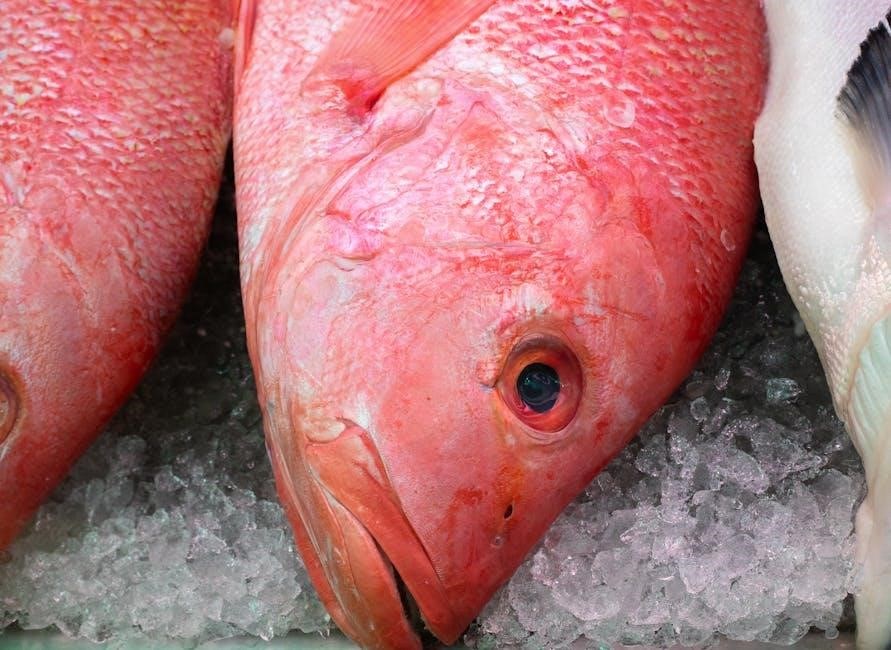
Salmon and tuna dishes consistently rank highest in protein, offering complete proteins rich in essential amino acids. Even lighter options, like ceviche or poke bowls, provide a respectable protein boost. The inclusion of edamame and other plant-based proteins in certain bowls further enhances the overall protein profile.
Protein levels are impacted by portion sizes and added ingredients; larger portions and the inclusion of extra fish will naturally increase protein intake. The nutrition information PDF allows customers to accurately assess protein content based on their specific meal customizations.
For individuals focused on muscle building or maintaining a high-protein diet, Pacific Catch presents a convenient and flavorful way to meet their nutritional needs.
Fat Content & Types of Fats
Pacific Catch’s fat content varies considerably across its menu, largely dependent on the fish selection and preparation method. The detailed nutrition information PDF reveals that while some dishes contain moderate fat levels, the emphasis is on healthy, unsaturated fats.
Salmon, a cornerstone of the menu, is rich in omega-3 fatty acids – beneficial fats linked to heart health and cognitive function. Tuna also contributes a significant amount of healthy fats. Dishes prepared with frying or creamy sauces naturally exhibit higher fat content compared to grilled or steamed options.
The nutrition information PDF distinguishes between total fat, saturated fat, and trans fat, enabling informed choices. Saturated and trans fats are kept to a minimum, aligning with current dietary recommendations. Avocado, a frequent ingredient in bowls, provides monounsaturated fats, further enhancing the nutritional value.
Customers can easily compare fat profiles of different menu items using the PDF, allowing them to select options that best suit their dietary preferences and health goals.
Carbohydrate Breakdown: Complex vs. Simple
Pacific Catch’s carbohydrate content is primarily derived from rice, noodles, and the various vegetables incorporated into their bowls and plates. The nutrition information PDF provides a detailed breakdown of total carbohydrates, including fiber and sugars, for each menu item.
A significant portion of the carbohydrates comes from complex sources like brown rice and quinoa, offering sustained energy release and promoting digestive health. Simple sugars are present in sauces and some vegetable components, but are generally moderate in quantity.
The PDF allows customers to easily identify dishes with lower carbohydrate counts, catering to those following low-carb or ketogenic diets. Bowls featuring larger portions of rice or noodles will naturally have a higher carbohydrate content.
Fiber intake is also clearly indicated, contributing to feelings of fullness and supporting overall well-being. By consulting the nutrition information PDF, diners can make informed choices to align carbohydrate consumption with their individual needs and dietary plans.
Pacific Catch’s Commitment to Sustainable Seafood
Pacific Catch demonstrates a strong dedication to responsible sourcing, prioritizing the health of our oceans and future seafood supplies. This commitment extends beyond simply offering delicious meals; it’s a core value woven into their operational philosophy.
They actively partner with suppliers who adhere to stringent sustainability standards, ensuring that the fish served is caught or farmed in an environmentally conscious manner. This includes avoiding overfished species and minimizing bycatch – the unintentional capture of other marine life.
While the nutrition information PDF primarily focuses on nutritional content, it indirectly supports this commitment by promoting informed consumer choices. Knowing the origin of your food empowers you to support sustainable practices.
Pacific Catch actively seeks certifications from reputable organizations like the Marine Stewardship Council (MSC) and Best Aquaculture Practices (BAP), validating their dedication to responsible seafood sourcing. This transparency allows customers to enjoy their meals with confidence, knowing they are contributing to a healthier planet.
Omega-3 Fatty Acids in Pacific Catch’s Fish
Pacific Catch’s menu prominently features fish renowned for their rich omega-3 fatty acid content, offering significant health benefits to diners. These essential fats – EPA and DHA – are vital for heart health, brain function, and reducing inflammation.
Salmon, tuna, and mackerel, frequently showcased on the menu, are particularly excellent sources of omega-3s. The nutrition information PDF details the specific amounts present in each serving, allowing customers to make informed choices based on their individual needs.

Consuming adequate omega-3s is linked to improved cognitive function, reduced risk of chronic diseases, and enhanced overall well-being. Pacific Catch provides a convenient and delicious way to incorporate these vital nutrients into your diet.
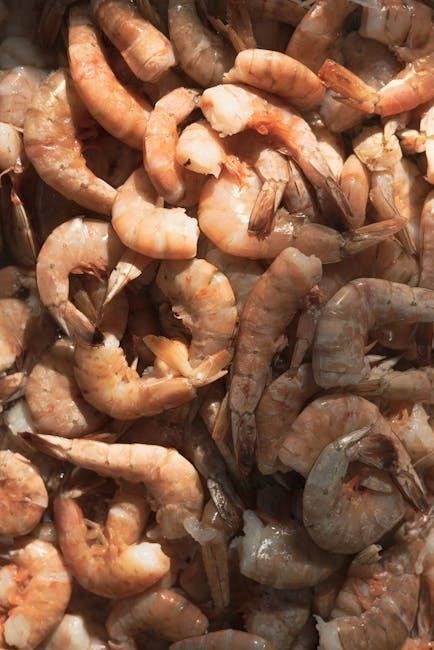
The PDF’s detailed breakdown enables individuals following specific dietary plans, such as those aiming for a higher omega-3 intake, to easily select optimal menu options. This commitment to transparency empowers customers to prioritize their health while enjoying flavorful seafood dishes.
Vitamin & Mineral Profile of Common Pacific Catch Items
Pacific Catch’s diverse menu isn’t just flavorful; it’s also packed with essential vitamins and minerals crucial for maintaining optimal health. The nutrition information PDF provides a detailed breakdown of these micronutrients in each dish, empowering informed dietary choices.
Common menu items like salmon are excellent sources of Vitamin D, vital for bone health and immune function. Tuna provides significant amounts of Vitamin B12, essential for nerve function and red blood cell production. Various seafood options also contribute to iodine intake, supporting thyroid health.
Beyond vitamins, Pacific Catch’s offerings deliver important minerals. Selenium, found abundantly in tuna and other fish, acts as a powerful antioxidant. Potassium, present in many dishes, aids in maintaining healthy blood pressure.
Utilizing the PDF allows customers to pinpoint dishes rich in specific nutrients they may be seeking, supporting personalized nutrition goals. This transparency demonstrates Pacific Catch’s commitment to providing not only delicious food but also a pathway to a healthier lifestyle.

Locating the Pacific Catch Nutrition Information PDF
Finding the Pacific Catch nutrition information PDF is a straightforward process designed for customer convenience. While a direct link isn’t always prominently displayed on the homepage, the document is readily accessible through their official website.

Typically, the PDF can be located within the “About Us” or “Nutrition” section of the site. A simple search using keywords like “Pacific Catch nutrition PDF” on their website’s search bar will quickly yield the desired result. Alternatively, a broader internet search using the same terms will also lead directly to the document.
Pacific Catch prioritizes transparency, making this information easily available to patrons. The PDF is regularly updated to reflect any menu changes or revisions to nutritional data.
Downloading and reviewing this document empowers customers to make informed decisions about their meals, aligning their choices with personal dietary needs and health objectives. It’s a valuable resource for those seeking detailed nutritional breakdowns of their favorite Pacific Catch dishes.
Decoding the Pacific Catch Nutrition PDF: What to Look For
Navigating the Pacific Catch nutrition PDF requires understanding its key components. The document is meticulously organized, listing each menu item alongside its corresponding nutritional information.
Pay close attention to serving sizes, as all values are calculated based on the standard portion. Key metrics to focus on include calories, total fat (saturated, trans, and unsaturated), cholesterol, sodium, carbohydrates (fiber and sugar), and protein.
The PDF also often includes information on potential allergens, making it a crucial resource for individuals with dietary restrictions. Look for notations regarding gluten, soy, nuts, and other common allergens.

Understanding the percentages of Daily Value (%DV) is also important; these figures indicate how much a nutrient in a serving contributes to a daily diet. Utilizing this information allows for a comprehensive assessment of each dish’s nutritional profile, enabling informed and health-conscious dining choices at Pacific Catch.
Comparing Pacific Catch Nutrition to Dietary Guidelines
Evaluating Pacific Catch’s offerings against established dietary guidelines provides valuable context. The USDA’s Dietary Guidelines for Americans recommend a balanced intake of macronutrients – carbohydrates, proteins, and fats – alongside essential vitamins and minerals.
Analyzing the Pacific Catch nutrition PDF allows you to assess how individual menu items align with these recommendations. For example, compare the fat content, particularly saturated and trans fats, to daily recommended limits. Similarly, evaluate sodium levels, considering the guideline of less than 2,300mg per day.
Protein content is also crucial, ensuring adequate intake for muscle maintenance and overall health. Consider fiber intake, aiming for at least 25-30 grams daily. By comparing Pacific Catch’s nutritional data to these benchmarks, you can make informed choices that support a healthy and balanced diet, optimizing your dining experience.
Remember to consider your individual needs and activity level when interpreting the information.
Pacific Catch for Specific Diets (Paleo, Keto, Gluten-Free)
Navigating specific dietary restrictions at Pacific Catch requires careful consideration of the menu and the detailed nutrition information PDF. For Paleo dieters, focus on grilled or baked fish options, avoiding rice bowls and sugary sauces. Prioritize lean proteins and vegetables, ensuring ingredients align with Paleo principles.
Keto followers should concentrate on high-fat fish like salmon, minimizing carbohydrate intake from rice and noodles. Be mindful of hidden sugars in marinades and dressings. The PDF is essential for tracking net carbs.
Gluten-free diners will find several naturally gluten-free options, but cross-contamination is a concern. Confirm preparation methods and ingredient lists. The PDF helps identify gluten-containing ingredients in sauces and marinades.
Always double-check with Pacific Catch staff regarding ingredient sourcing and preparation to ensure your dietary needs are met. Utilizing the PDF alongside informed questioning empowers you to enjoy a satisfying meal.
Potential Allergens & Dietary Restrictions at Pacific Catch
Pacific Catch acknowledges the importance of catering to guests with allergies and dietary restrictions. Common allergens, including fish, shellfish, soy, wheat, and sesame, are present in many menu items. The nutrition information PDF doesn’t explicitly list all allergens, necessitating direct communication with staff.
Individuals with severe allergies should inform their server before ordering and inquire about cross-contamination risks during food preparation. Pacific Catch strives to accommodate requests, but cannot guarantee a completely allergen-free environment.
Beyond common allergens, consider potential sensitivities to ingredients like ginger, garlic, or specific spices. The PDF can assist in identifying these components, but a detailed ingredient list request is recommended.
For specific dietary needs – such as dairy-free or egg-free – proactively discuss options with the team. Utilizing the PDF as a starting point, combined with clear communication, ensures a safe and enjoyable dining experience.
Resources for Further Nutritional Information & Analysis
Beyond the Pacific Catch nutrition information PDF, several resources offer deeper insights into dietary analysis. MyFitnessPal and Lose It! are popular apps allowing users to log meals and track macronutrient intake, utilizing data from restaurant menus when available.
The USDA FoodData Central database provides comprehensive nutritional information on individual ingredients, enabling a detailed breakdown of meal composition. Websites like Nutritionix offer similar functionality, often including user-submitted data for restaurant items.
Registered Dietitians represent a valuable resource for personalized nutritional guidance. They can analyze the Pacific Catch menu in relation to individual health goals and dietary restrictions, offering tailored recommendations.
For scientific research on seafood nutrition, explore resources from the National Institutes of Health (NIH) and the American Heart Association. These organizations provide evidence-based information on the health benefits of omega-3 fatty acids and sustainable seafood choices.
Leave a Reply
You must be logged in to post a comment.