ge double oven self-clean instructions

Understanding Your GE Double Oven Self-Clean Feature
GE double ovens offer a convenient self-clean feature‚ utilizing high temperatures to eliminate baked-on residue‚ ensuring a sparkling interior with minimal effort from you.
Safety Precautions Before Self-Cleaning
Prior to initiating the self-clean cycle on your GE double oven‚ several crucial safety precautions must be observed to prevent damage or injury. Ensure the kitchen is adequately ventilated by opening a window or activating a ventilation fan‚ as the process generates odors and potentially some smoke‚ especially during initial use.
Remove all oven racks‚ broiler pans‚ and any aluminum foil‚ cookware‚ or temperature probes from the oven interior. These items can warp‚ discolor‚ or even pose a fire hazard at self-clean temperatures. Verify the oven door can fully close and latch; the cycle will not begin if the door is ajar. Never attempt to force the door open during the self-clean cycle‚ as extremely high temperatures are involved.
Be mindful that the oven’s exterior surfaces will become hot during operation. Keep children and pets away from the oven during and immediately after the self-clean cycle. Inspect for any loose items inside the oven cavity before starting.
Preparing the Oven for Self-Clean
Before commencing the self-clean cycle‚ a little preparation goes a long way towards optimal results. Begin by manually wiping up any large spills or loose debris from the oven floor. While the self-clean function handles baked-on residue‚ removing excess material minimizes smoke and odor. Avoid using any commercial oven cleaners beforehand‚ as they can react with the high heat and release harmful fumes.
Check the oven door seal for any damage or gaps. A compromised seal can affect the oven’s ability to reach and maintain the necessary cleaning temperature. Ensure the cooktop area above the oven is clear of any flammable items. Consider a final quick wipe-down of the oven interior with a damp cloth to remove any lingering particles.
Remember‚ a cleaner oven before self-cleaning translates to a more efficient and less smoky cycle‚ ultimately preserving the longevity of your appliance.
Removing Oven Racks and Accessories
Crucially‚ before initiating the self-clean cycle on your GE double oven‚ all oven racks and accessories must be removed. The intense heat generated during self-cleaning can warp‚ discolor‚ or even damage these components. Specifically‚ remove all baking stones‚ broiler pans‚ and any other items stored inside the oven cavity.
Check your oven’s manual to confirm if your racks are specifically labeled as “self-clean safe.” If unsure‚ err on the side of caution and remove them. Carefully slide the racks out‚ avoiding any scratching of the oven interior. Place the removed racks and accessories on a heat-resistant surface away from the oven.
Leaving items inside can also interfere with the cleaning process and potentially cause damage to the oven itself. Remember‚ a clear oven interior ensures a thorough and safe self-clean cycle.
Ensuring Proper Ventilation During Self-Clean
Adequate ventilation is paramount when running the self-clean cycle on your GE double oven. The high temperatures involved can release odors and potentially some smoke‚ especially during the initial use. Therefore‚ it’s highly recommended to open a kitchen window or utilize a ventilation fan or range hood during the entire self-clean process.
This helps to dissipate any fumes and maintain good air quality in your home. Consider the location of your oven; if it’s in a confined space‚ ventilation becomes even more critical. Ensure the ventilation system is functioning correctly before starting the cycle.
Proper airflow not only minimizes odors but also helps to prevent the buildup of potentially irritating fumes. Remember‚ prioritizing ventilation contributes to a safer and more comfortable self-cleaning experience.
Initiating the Self-Clean Cycle
To begin‚ ensure the oven door is securely closed and all controls are correctly set; this is crucial for the cycle’s proper operation and safety.
Setting the Self-Clean Time
GE double ovens typically offer varying self-clean cycle durations‚ often ranging from 2 to 4 hours‚ depending on the level of soil present inside the oven. Before initiating the cycle‚ carefully assess the oven’s cleanliness to determine the appropriate time setting.
For lightly soiled ovens‚ a shorter cycle of 2-3 hours may suffice‚ while heavily soiled ovens will benefit from the extended 4-hour cycle. Consult your oven’s user manual for specific time recommendations tailored to your model. Some models feature an automatic sensing feature that adjusts the cleaning time based on the detected soil level.
To set the self-clean time‚ navigate to the “Self-Clean” option on your oven’s control panel. Use the arrow buttons or numeric keypad to select the desired cleaning duration. Once the time is set‚ press the “Start” or “Self-Clean” button to initiate the cycle. Remember that the oven door will automatically lock during the self-clean process for safety reasons.
Locking the Oven Door
A crucial safety feature of the GE double oven self-clean cycle is the automatic door locking mechanism. Once the self-clean cycle is initiated‚ the oven door will automatically lock and remain locked throughout the entire cleaning process‚ and during the cool-down period. This prevents accidental opening during the extremely high temperatures reached during self-cleaning‚ protecting users from burns.
Do not attempt to force the oven door open while it is locked. The locking mechanism will release automatically once the oven has cooled down sufficiently‚ typically after the cycle is complete and the oven temperature has dropped to a safe level. A locked door indicator light on the control panel will illuminate‚ confirming the door is securely locked.
If the door fails to lock‚ the self-clean cycle will not start. Ensure all controls are properly set and there are no obstructions preventing the door from closing completely. Never disable or tamper with the door locking mechanism‚ as it is a vital safety component.
Understanding the Self-Clean Cycle Stages
The self-clean cycle on your GE double oven progresses through distinct stages to effectively eliminate food residue. Initially‚ the oven heats to extremely high temperatures – often exceeding 800°F – to burn off spills and baked-on soils. This phase may produce odors‚ so adequate ventilation is essential. Smoke is normal during the first use.
Following the high-heat burn-off‚ the oven enters a cooling phase‚ gradually reducing the temperature. The door remains locked throughout this period for safety. The cycle duration varies depending on the selected cleaning time and soil level. During heating‚ the oven is reaching its set working temperature.
Once cooled‚ the door unlocks automatically. Some residue may remain‚ requiring a quick wipe-down with a damp cloth. Understanding these stages helps you anticipate the cycle’s progress and ensure optimal cleaning results. Proper function and temperature settings are crucial for a successful clean.

Troubleshooting Common Self-Clean Issues
If your GE oven fails to heat during self-clean‚ check the door latch and controls; a blown thermal fuse is a frequent cause needing repair.
Oven Not Heating During Self-Clean
If your GE double oven isn’t heating during the self-clean cycle‚ several potential issues could be at play. First‚ meticulously verify that the oven door is completely and securely closed. The self-clean function absolutely requires a properly latched door to operate; otherwise‚ it won’t initiate the heating process. Also‚ double-check that all controls are correctly set for the self-clean cycle – an incorrect setting will prevent the oven from heating.
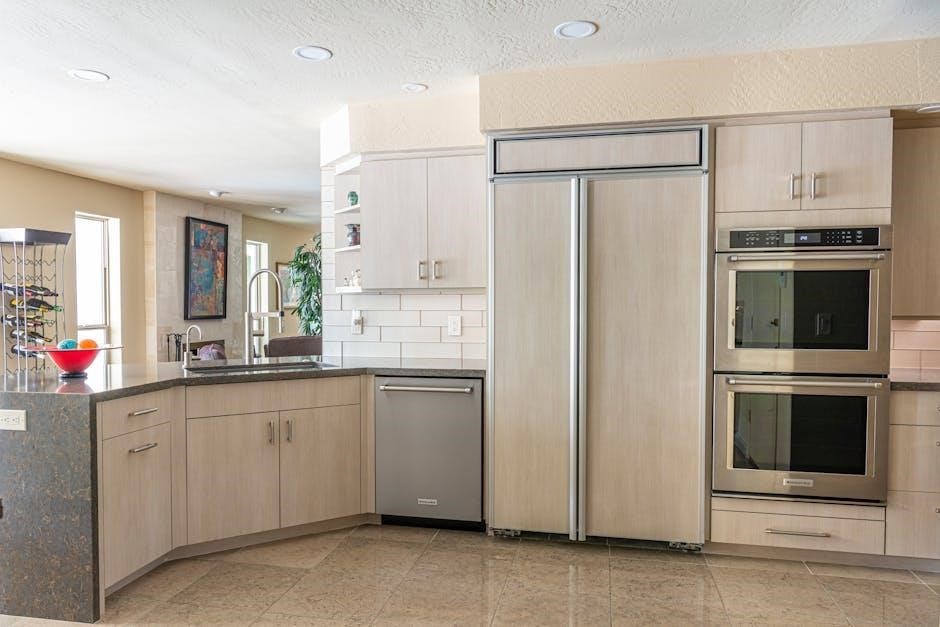
However‚ a common culprit is a blown thermal fuse‚ situated between the upper and lower ovens. This fuse is designed to protect the oven from overheating‚ and it frequently fails during self-clean cycles due to the extreme temperatures. Replacing a blown thermal fuse is often a costly repair‚ as it typically necessitates removing the entire oven and‚ in some models‚ potentially the upper oven as well. Furthermore‚ ensure the function and temperature settings are accurate‚ as incorrect inputs can hinder the heating process. A qualified technician should diagnose and repair electrical components.
Smoke During Initial Use & Self-Clean
It’s perfectly normal for some smoke to be emitted during the initial use of your GE double oven‚ as well as during its first self-clean cycle. This smoke arises from the burning off of manufacturing residues and protective coatings applied during the production process. This is not indicative of a malfunction and should dissipate after the initial heating period or the completion of the self-clean cycle.
However‚ if excessive or persistent smoke occurs after the initial use‚ or during subsequent self-clean cycles‚ it could signal food debris or spills left inside the oven. Ensure the oven interior is thoroughly cleaned before initiating the self-clean function. Additionally‚ ensure proper ventilation by opening a window or using a ventilation fan or hood during the self-clean cycle to help dissipate any odors or smoke. If the smoke persists despite these measures‚ consult a qualified appliance technician to investigate potential issues.
Thermal Fuse Issues & Repair
A common issue encountered after a self-clean cycle‚ particularly with GE double ovens‚ is a blown thermal fuse. This fuse is a safety device designed to protect the oven from overheating. Self-cleaning generates extremely high temperatures‚ and repeated cycles or excessive debris can cause the fuse to fail‚ resulting in the oven not heating.
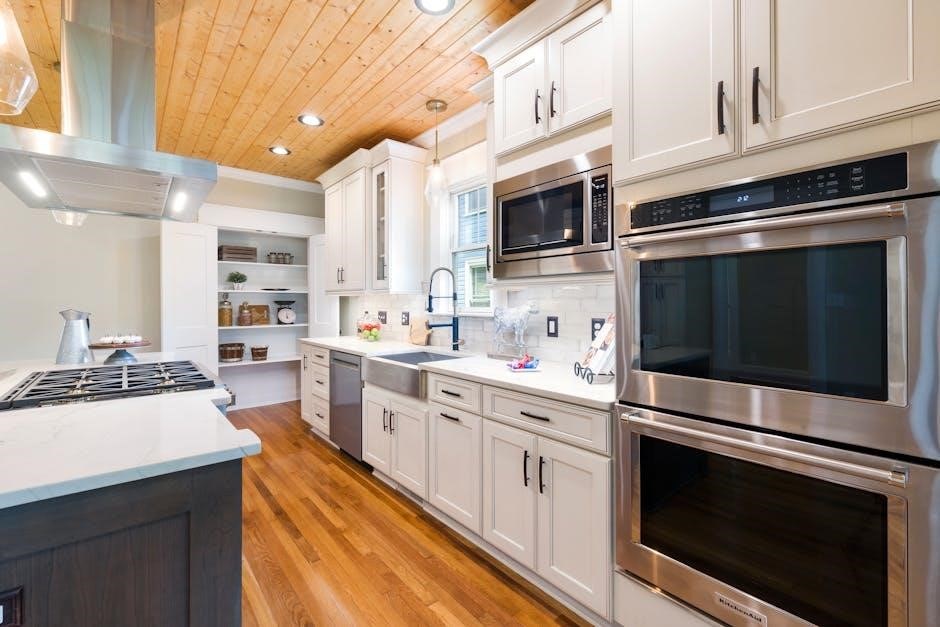
Replacing a thermal fuse is not a simple DIY task. It typically requires complete disassembly of the oven‚ including separating the upper and lower oven compartments. In some models‚ even the upper oven may need partial disassembly. Due to the complexity and potential safety hazards involved – including electrical components – it’s strongly recommended to hire a qualified appliance repair technician. The cost can be significant‚ as it involves labor-intensive work‚ but it’s often more economical than replacing the entire oven. Ignoring a blown fuse will prevent the oven from functioning correctly.
Post-Self-Clean Procedures
After the self-clean cycle completes‚ allow the oven to cool completely with the door ajar‚ then wipe away any remaining ash residue inside.
Cooling Down the Oven
Following the self-clean cycle‚ it’s crucial to allow your GE double oven to cool down completely before attempting any cleaning or inspection. The self-clean process reaches extremely high temperatures‚ and immediate handling could result in severe burns. It is recommended to cool the oven with the door open to facilitate ventilation and prevent any lingering odors from remaining trapped inside.
The cooling process can take a significant amount of time‚ potentially several hours‚ depending on the duration of the self-clean cycle and the oven model. Avoid any attempts to rush the cooling process by using fans or cold water‚ as this could potentially damage the oven’s components. Patience is key to ensuring both your safety and the longevity of your appliance;
Once the oven has cooled sufficiently‚ you can proceed with cleaning any remaining residue and inspecting the oven door glass for any signs of damage. Remember‚ safety first – always ensure the oven is cool to the touch before beginning any post-clean procedures.
Cleaning Remaining Residue
After the oven has fully cooled following the self-clean cycle‚ a fine layer of ash may remain on the oven’s interior surfaces. This residue is normal and easily removed. Begin by wiping down the interior with a soft‚ damp cloth to collect the majority of the ash. For stubborn spots‚ prepare a mild solution of soapy water – avoid using abrasive cleaners‚ as these can scratch the oven’s surfaces.
Gently scrub the affected areas with a non-abrasive sponge or cloth‚ applying light pressure. Rinse thoroughly with clean water to remove any soap residue‚ and then dry with a clean towel. Remember to check all areas of the oven‚ including the bottom‚ sides‚ and top. A thorough cleaning ensures optimal performance and prevents odors from developing.
If needed‚ repeat the process until all visible residue is removed‚ leaving your GE double oven sparkling clean and ready for your next culinary creation.
Cleaning the Oven Door Glass
The oven door glass requires special care to maintain its clarity and prevent damage. Avoid using abrasive cleaners or sharp metal scrapers‚ as these can easily scratch the glass surface‚ potentially leading to shattering. Instead‚ opt for a gentle cleaning approach using mild soapy water.
Apply the soapy water solution to a soft cloth or sponge and gently wipe the interior and exterior surfaces of the oven door glass. For baked-on splatters‚ allow the soapy water to sit for a few minutes to loosen the residue before wiping. Rinse thoroughly with clean water and dry with a lint-free cloth to avoid streaks.
Regular cleaning of the oven door glass will prevent buildup and maintain visibility into the oven cavity. Always ensure the oven is cool before cleaning the glass to avoid burns. Consistent‚ gentle cleaning will keep your oven door looking its best.
Maintaining Your GE Double Oven
Regular cleaning‚ utilizing mild soapy water‚ prevents buildup between self-clean cycles‚ while avoiding abrasive cleaners preserves the oven’s finish and ensures longevity.
Regular Cleaning Between Self-Clean Cycles
To maintain optimal performance and extend the intervals between self-clean cycles‚ incorporate routine cleaning into your kitchen schedule. Periodically wiping down the oven’s interior after each use prevents excessive buildup of food residue and grease. This simple habit significantly reduces the intensity and duration of future self-clean operations.
Focus on areas prone to spills and splatters‚ such as the oven floor and side walls. A damp cloth with a mild dish soap solution is generally sufficient for most cleaning tasks. Avoid harsh chemicals or abrasive cleaners‚ as these can damage the oven’s enamel coating and potentially release harmful fumes during subsequent heating. Remember to thoroughly rinse away any soap residue to prevent odors and ensure food safety.
Additionally‚ regularly cleaning the oven door glass enhances visibility and maintains a pristine appearance. A glass cleaner specifically designed for ovens is recommended‚ avoiding abrasive materials that could scratch the surface. Consistent‚ gentle cleaning practices will keep your GE double oven looking its best and functioning efficiently for years to come.
Using Mild Soapy Water for Cleaning

For everyday cleaning tasks and post-self-clean residue removal‚ mild soapy water is your safest and most effective ally. Combine warm water with a small amount of dish soap – a few drops are usually sufficient – to create a gentle cleaning solution. Avoid using excessive soap‚ as it can leave a film that requires additional rinsing.
Apply the solution to a soft cloth or sponge‚ and gently wipe down the oven’s interior surfaces. Pay attention to areas with visible spills or splatters‚ but avoid scrubbing aggressively‚ as this could damage the enamel coating. For stubborn residue‚ allow the soapy water to sit for a few minutes to loosen the debris before wiping.
Thoroughly rinse the cleaned surfaces with a clean‚ damp cloth to remove all traces of soap. Repeat the rinsing process if necessary‚ ensuring no soapy residue remains. Dry the oven interior with a clean towel to prevent water spots and maintain a sparkling finish. This method is ideal for routine maintenance and preserving your oven’s longevity.
Avoiding Abrasive Cleaners
Protect your GE double oven’s surfaces by strictly avoiding abrasive cleaners‚ scouring pads‚ and harsh chemicals. These can inflict permanent damage to the enamel interior‚ the oven door glass‚ and other delicate components. Abrasive cleaners leave scratches that not only mar the appearance but also create areas where food particles and grease can accumulate more easily.
Specifically‚ steer clear of steel wool‚ scouring powders‚ and any cleaning products containing harsh chemicals like bleach or ammonia. These substances can corrode the oven’s finish and potentially release harmful fumes during future use. Similarly‚ avoid using sharp metal scrapers‚ as they pose a significant risk of scratching the glass door‚ potentially leading to shattering.
Opt instead for gentle cleaning solutions like mild soapy water‚ as previously described‚ or commercially available oven cleaners specifically formulated for enamel surfaces. Always follow the manufacturer’s instructions when using any cleaning product‚ and prioritize preventative care to minimize the need for harsh cleaning methods.
Leave a Reply
You must be logged in to post a comment.