nikah nama pdf
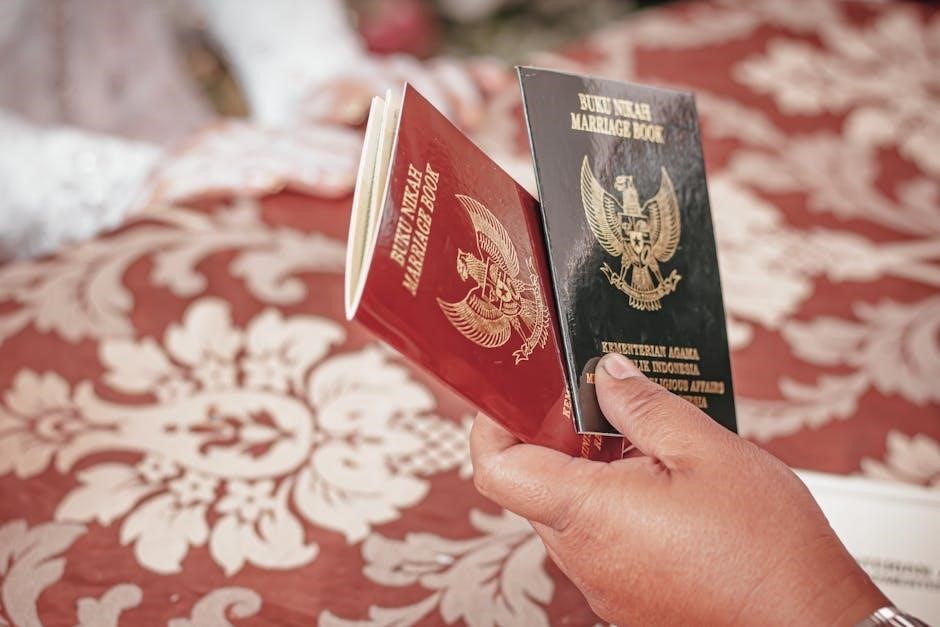
What is a Nikah Nama?
Nikah Nama‚ or the marriage contract (ʿaqd al-qirān)‚ formalizes the Islamic marriage. It details the bride’s acceptance (qubul) and the groom’s dower (mahr)‚
establishing a legally and spiritually binding agreement.
Definition of Nikah in Islamic Law
Nikah (نِكَاح) in Islamic law signifies the marriage contract – a foundational agreement (ʿaqd al-qirān) between a man and a woman. It’s more than a simple social convention; it’s a deeply revered religious commitment. Crucially‚ nikah isn’t merely a ceremony‚ but the actual agreement itself‚ specifically the bride’s willing acceptance (qubul) of the groom’s offered dower (mahr).
This acceptance‚ witnessed by others‚ is the core of the legal validity. The Nikah Nama‚ the physical document embodying this agreement‚ serves as proof of this contract. It’s a testament to the couple’s mutual consent and the fulfillment of Islamic requirements for a lawful marriage. Therefore‚ understanding nikah requires recognizing it as both a spiritual act of worship (Ibadah) and a legally binding contract within the framework of Sharia law.
The Nikah Nama as a Marriage Contract (ʿaqd al-qirān)
The Nikah Nama functions as the formal ʿaqd al-qirān – the marriage contract – within Islamic law. It meticulously details the rights and responsibilities of both the bride and groom‚ solidifying their commitment. Beyond simply acknowledging the union‚ it legally defines the terms‚ most importantly the mahr (dower) agreed upon by the groom and accepted (qubul) by the bride.
This document isn’t merely symbolic; it’s a legally enforceable agreement; The Nikah Nama outlines crucial aspects of the marriage‚ ensuring clarity and protecting the rights of both parties. It represents a sacred bond‚ transforming a potential union into a recognized and legally sound marriage under Islamic principles. Its existence signifies a complete and valid nikah‚ establishing a foundation for a harmonious and religiously compliant marital life.
Key Components of a Nikah Nama PDF
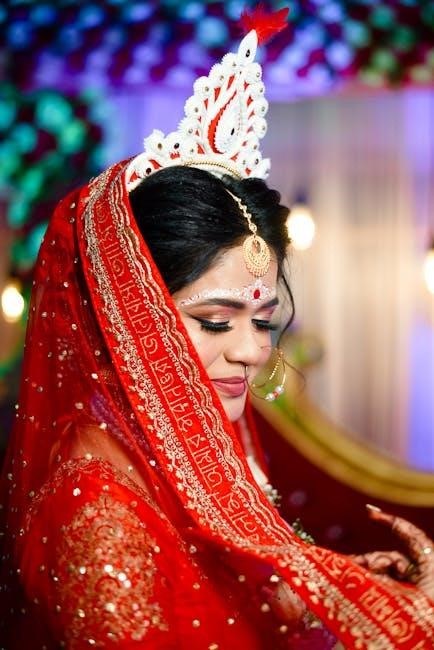
Key elements within a Nikah Nama PDF include the bride’s acceptance (qubul)‚ the groom’s dower (mahr)‚ and spaces for validating witness signatures.
Bride’s Acceptance (Qubul) and Dower (Mahr)
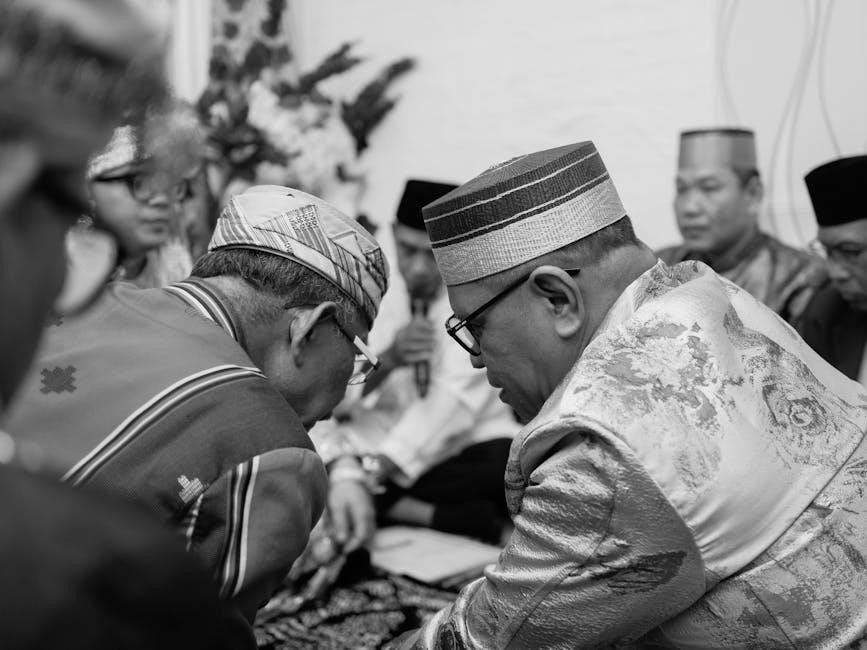
Central to the Nikah Nama is the qubul‚ the bride’s explicit and voluntary acceptance of the marriage proposal. This signifies her willing consent‚ a fundamental principle in Islamic marriage. Equally crucial is the mahr‚ the dower – a mandatory gift from the groom to the bride.
The mahr is a symbol of respect‚ financial security‚ and the groom’s commitment to providing for his wife. It’s agreed upon during the marriage negotiations and documented within the Nikah Nama. The mahr can be any valuable item or a specified sum of money‚ and it becomes the bride’s exclusive property.
Both qubul and mahr are explicitly recorded in the Nikah Nama PDF‚ serving as legal evidence of the agreement and protecting the bride’s rights within the marriage contract. Their presence validates the Islamic marriage.
Role of Witnesses in Validating the Nikah
The presence of witnesses is absolutely essential for a valid Nikah‚ and their role is formally documented within the Nikah Nama PDF. Islamic law requires at least two adult‚ Muslim male witnesses to attest to the marriage contract’s execution. These witnesses must be present during the qubul (bride’s acceptance) and the declaration of the marriage.
Their testimony serves as crucial evidence‚ confirming that the marriage occurred with the free and informed consent of both parties. The Nikah Nama will include spaces for the witnesses to provide their names‚ signatures‚ and potentially‚ their identification details.
Without the required witnesses‚ the Nikah is considered invalid according to Islamic jurisprudence. The Nikah Nama‚ therefore‚ isn’t merely a record of the agreement‚ but proof of its legal and religious validity‚ secured by the testimony of upright individuals.
The Nikah Ceremony: Foundation of Islamic Marriage
The Nikah ceremony establishes a spiritual and legal union‚ rooted in faith and mutual understanding. The Nikah Nama PDF formalizes this commitment‚ outlining rights and responsibilities.
Spiritual and Legal Significance of Nikah
The Nikah transcends a simple contract; it’s a deeply significant act of worship (Ibadah) within Islam‚ establishing a sacred bond. Legally‚ the Nikah Nama PDF serves as the official marriage contract‚ detailing the rights and responsibilities of both spouses.
Spiritually‚ it’s a covenant before God‚ fostering love‚ respect‚ and mutual support. The Nikah Nama isn’t merely a document‚ but a testament to this commitment‚ outlining the mahr (dower) – a crucial element signifying the groom’s responsibility.
This union isn’t just about companionship; it’s about building a family founded on Islamic principles. The Nikah‚ validated by witnesses and an officiant‚ creates a legally recognized and spiritually blessed marriage‚ with the Nikah Nama PDF serving as its enduring record.
Nikah as an Act of Worship (Ibadah)
Within Islam‚ Nikah isn’t simply a social convention; it’s considered a profoundly sacred act of worship – Ibadah. Following the Sunnah (teachings and practices of Prophet Muhammad)‚ marriage is highly encouraged‚ offering spiritual merit to those who enter it with righteous intentions.
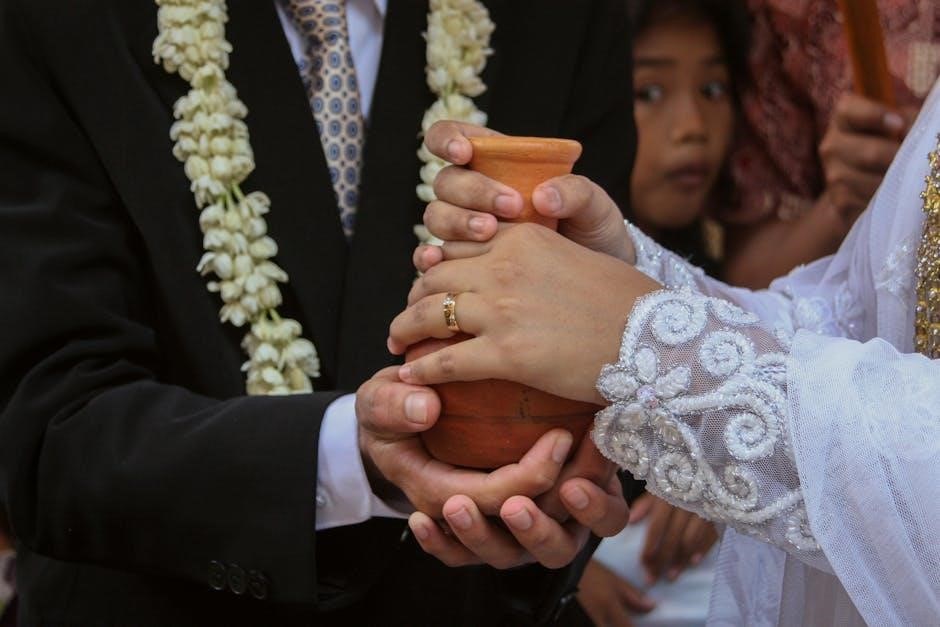
The Nikah Nama PDF‚ representing the marriage contract‚ embodies this sacredness. It’s a formal declaration of commitment made before God‚ signifying a desire to live a life guided by Islamic principles. The agreement to the mahr (dower) and the qubul (acceptance) are integral parts of this worshipful act.
By fulfilling the requirements of a valid Nikah – including witnesses and an officiant – couples demonstrate their devotion and seek blessings for a harmonious and righteous union. The Nikah Nama PDF then stands as a testament to this devotion and a legally sound foundation for their life together.
Preparing for a Nikah: Premarital Counseling
Premarital counseling is crucial before a Nikah. Requests should be submitted at least four weeks in advance via the Rishta Nata website or email.
Submitting Premarital Counseling Requests
Engaging in premarital counseling is a highly recommended step in preparation for a Nikah‚ fostering a strong foundation for a successful marriage rooted in Islamic principles. To initiate this process‚ prospective couples are advised to submit their requests well in advance of their intended Nikah date. Specifically‚ the recommended timeframe is a minimum of four weeks prior to the ceremony.
Requests can be conveniently submitted through the official Rishta Nata website‚ accessible at rishtanata.ahmadiyya.us. Navigate to the dedicated “Nikah Process” tab on the website to find the necessary forms and instructions. Alternatively‚ couples can submit their requests via email to PMCRishtanata.us. This ensures a streamlined and accessible process for all involved. Early submission allows sufficient time for scheduling and completing the counseling sessions‚ contributing to a more informed and prepared start to married life;
Timing of Premarital Counseling Requests (at least 4 weeks before Nikah)
Adhering to the recommended timeline for premarital counseling requests – a minimum of four weeks before the Nikah – is crucial for a smooth and beneficial experience. This timeframe allows for adequate scheduling of counseling sessions with qualified counselors‚ ensuring sufficient time to address important topics and build a strong marital foundation.
Submitting requests well in advance prevents potential delays and ensures that couples are fully prepared for the responsibilities and expectations of marriage within an Islamic framework. It demonstrates a proactive approach to building a lasting and harmonious relationship. Late submissions may result in limited availability or the inability to complete counseling before the Nikah date‚ potentially hindering the couple’s preparedness. Prioritizing this step reflects a commitment to a successful and fulfilling marriage‚ guided by faith and mutual understanding.
Requirements for a Valid Nikah Ceremony
A valid Nikah requires the bride’s father or male relative’s presence‚ two adult Muslim witnesses‚ and an Imam or Muslim officiant to legally recognize the marriage.
Presence of Bride’s Father or Male Relative

The presence of the bride’s father‚ or a male relative acting on his behalf‚ is a crucial requirement for a valid Nikah ceremony. This stems from the traditional Islamic understanding of a woman’s guardianship‚ where a male relative represents her interests and provides consent to the marriage.
Historically‚ this ensured the bride’s wishes were respected and protected. While interpretations can vary‚ the involvement of a male relative signifies familial blessing and support for the union. Their presence isn’t about control‚ but rather about upholding a cultural and religious tradition that emphasizes the importance of family in marriage.
Without this representation‚ the Nikah may be considered incomplete or invalid according to certain Islamic legal perspectives. It’s a foundational element ensuring the ceremony adheres to established Islamic guidelines and principles‚ solidifying the marriage contract’s legitimacy.

Necessity of Two Adult Muslim Witnesses
The presence of two adult‚ Muslim witnesses is absolutely essential for validating a Nikah ceremony. These witnesses serve as impartial observers‚ confirming that the marriage contract – the Nikah Nama – is executed freely and with mutual consent from both parties. Their testimony legally establishes the marriage within Islamic law.
These witnesses must be of sound mind‚ capable of understanding the proceedings‚ and demonstrably Muslim. They are required to hear the declaration of marriage (Ijab-o-Qubul) and attest to the validity of the agreement. Their role isn’t merely ceremonial; it’s a fundamental pillar supporting the legal and religious legitimacy of the Nikah.
Without two valid Muslim witnesses‚ the marriage may be considered invalid or questionable‚ potentially creating complications regarding inheritance‚ divorce‚ and the legitimacy of any children born from the union. Their presence ensures transparency and accountability throughout the process.
Role of an Imam or Muslim Officiant
While not strictly mandated as a legal requirement for a valid Nikah‚ an Imam or qualified Muslim officiant plays a crucial role in guiding the ceremony and ensuring its adherence to Islamic principles. They often facilitate the Ijab-o-Qubul – the offer and acceptance – which formally constitutes the marriage contract.
The Imam provides spiritual guidance to the couple‚ offering advice on the rights and responsibilities of marriage within an Islamic framework. They may also deliver a khutbah (sermon) emphasizing the sanctity of marriage and the importance of mutual respect and compassion.
An officiant ensures the Nikah Nama is properly completed and understood by all parties involved‚ including the bride‚ groom‚ and witnesses. Their presence lends a sense of solemnity and religious significance to the occasion‚ reinforcing the spiritual foundation of the marriage.

Accessing and Utilizing Nikah Nama PDFs
Nikah Nama PDF templates are readily available online through resources like Rishta Nata (rishtanata.ahmadiyya.us). Understanding the legal implications within this document is vital for a valid marriage.
Online Resources for Nikah Nama Templates
Several online platforms offer readily accessible Nikah Nama PDF templates to assist couples in preparing for their Islamic marriage ceremony. A prominent resource is the Rishta Nata website (rishtanata.ahmadiyya.us)‚ specifically within the “Nikah Process” tab. This platform provides a convenient avenue for obtaining a standardized template.

These templates generally include sections for detailing the essential elements of the marriage contract‚ such as the bride’s acceptance (qubul)‚ the groom’s dower (mahr)‚ and spaces for witness signatures. Utilizing a pre-designed template ensures all necessary components are included‚ minimizing potential oversights.
However‚ it’s crucial to remember that these templates serve as a starting point. Couples should carefully review the document and‚ if needed‚ consult with an Imam or legal professional to ensure it aligns with their specific circumstances and local legal requirements. Proper understanding and completion of the Nikah Nama are fundamental to establishing a legally sound and spiritually fulfilling marriage.
Understanding the Legal Implications of the Nikah Nama
The Nikah Nama isn’t merely a religious document; it carries significant legal weight‚ establishing the rights and responsibilities of both spouses within the marriage. While Islamic law governs its core principles‚ its legal recognition and enforceability vary depending on the jurisdiction.
The document’s meticulous completion is vital‚ particularly regarding the mahr (dower) – a mandatory financial obligation from the groom to the bride. Clearly defining the mahr amount and payment terms protects the bride’s financial security;
Furthermore‚ the Nikah Nama can outline specific conditions agreed upon by both parties‚ such as stipulations regarding divorce or property ownership. It’s advisable to seek legal counsel to ensure the contract complies with local laws and adequately safeguards the interests of both individuals. A properly executed Nikah Nama provides a solid legal foundation for a harmonious and protected marital life.
Leave a Reply
You must be logged in to post a comment.