fire protection guide to hazardous materials pdf free download
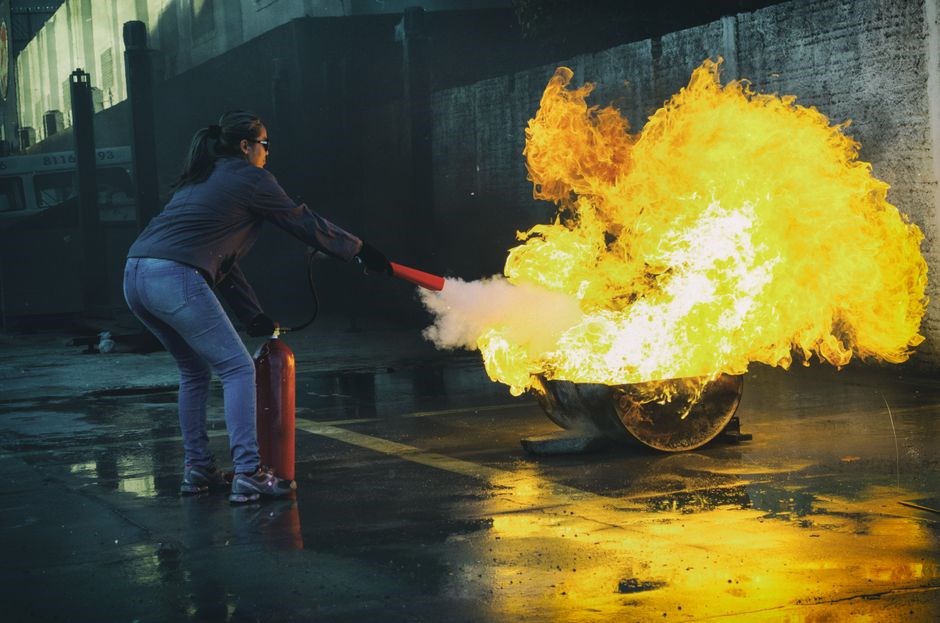
Downloadable PDF of Fire Protection Guide for Hazardous Substances
Access the official NFPA 13th Edition fire protection guide for hazardous substances, available as a free downloadable PDF, providing comprehensive safety strategies and compliance details.
Access Official National Fire Protection Association PDF Resource
Visit the National Fire Protection Association website to obtain the official fire protection guide for hazardous substances in PDF format, free of charge. The 13th Edition document covers comprehensive safety strategies, material characteristics for gas and vapor classification, and detailed procedures for preventing and controlling fires involving corrosive and flammable chemicals. Users can download the file instantly, ensuring compliance with current NFPA standards and MSC/Circ.853 recommendations for fire‑protection systems and appliances. The resource also references related IMO resolutions, providing a broader regulatory context for maritime hazardous material handling. By accessing this PDF, engineers, safety officers, and emergency responders gain authoritative guidance, illustrated diagrams, and checklists that streamline risk assessment, emergency planning, and incident response across industrial and transportation sectors. It also includes recommended training modules for fire crews.
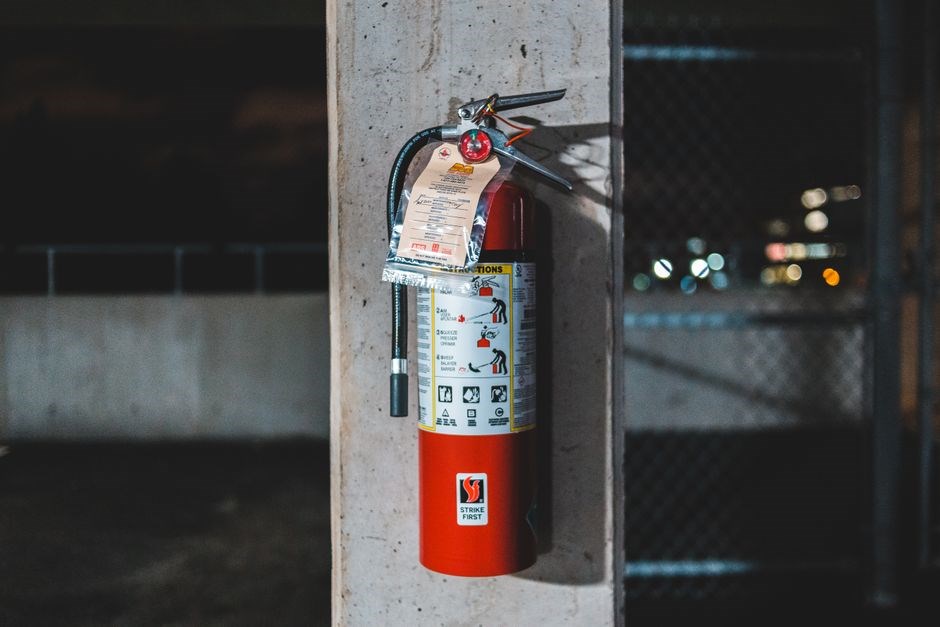
Free PDF of Dangerous Goods Emergency Response Chart
Download the free PDF of the Dangerous Goods Emergency Response Chart, detailing hazard classifications, handling procedures, and emergency contact information for quick, effective incident response.
Retrieve the Comprehensive Response Chart for Hazardous Goods
To obtain the comprehensive response chart, visit the official National Fire Protection Association website and navigate to the hazardous goods section. The PDF, titled “Dangerous Goods Emergency Response Chart,” is available for free download without registration. Simply click the download link, and the file will open in your browser or prompt a save dialog. The chart includes detailed hazard symbols, classification codes, recommended extinguishing agents, and first‑aid measures for each category. It also lists emergency contact numbers and evacuation routes for facilities handling hazardous materials; After downloading, store the PDF in a secure location and distribute copies to all relevant personnel, ensuring quick reference during incidents. Regularly check the NFPA site for updates or revisions to maintain compliance with current safety standards. This resource supports training and audits.
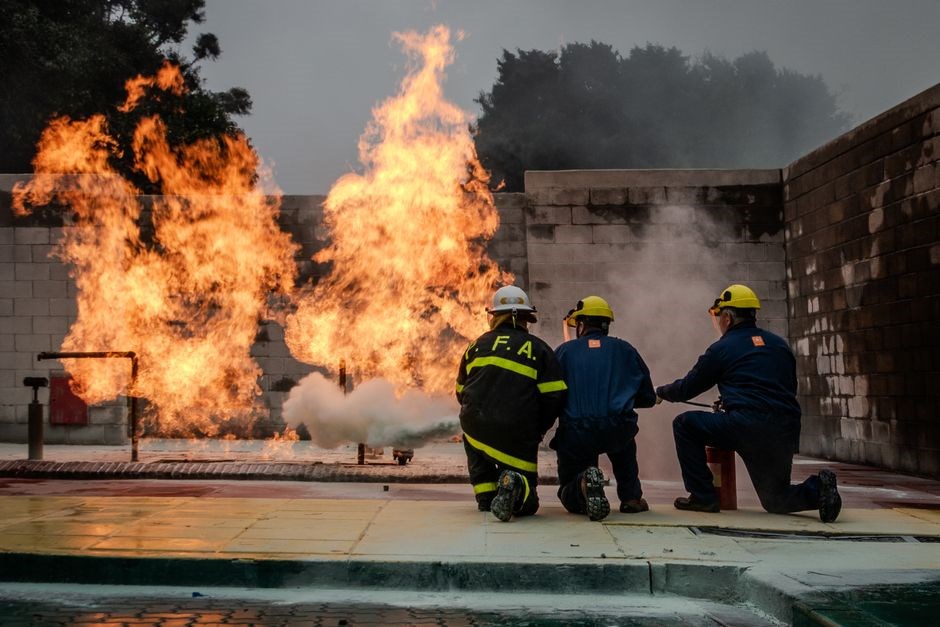
Fire Safety Clearance Certificate for Transportation of Dangerous Goods
Download the official Fire Safety Clearance Certificate PDF, outlining transportation requirements for hazardous goods. Ensure compliance with NFPA standards and secure proper documentation before shipping.
Obtain Clearance from Bureau of Fire Protection Authority
To obtain clearance from the Bureau of Fire Protection Authority, applicants must first download the official NFPA fire protection guide for hazardous substances in PDF format. This guide provides the necessary safety criteria and classification details required for the review process. After reviewing the document, prepare a complete application package that includes the Fire Safety Clearance Certificate request form, a copy of the hazardous material safety data sheet, and evidence of compliance with material characteristics for gas and vapor classification. Submit the package electronically through the Bureau’s online portal or deliver it in person to the regional office. Once received, the Authority conducts a technical evaluation, verifies documentation, and issues the clearance certificate, permitting lawful transportation of the hazardous goods. Schedule site inspection to verify fire suppression compliance.
Classification Criteria for Fire Risk in Corrosive and Flammable Substances
Classify fire risks by evaluating material characteristics for gas, vapor, and corrosive properties hazardous to skin and metal surfaces.
Material Characteristics for Gas and Vapor Fire Classification
Understanding the material characteristics that dictate gas and vapor fire classification is essential for effective hazard mitigation. The NFPA 13th Edition fire protection guide outlines specific parameters such as flash point, boiling point, vapor pressure, and lower flammable limit, which together determine a substance’s propensity to ignite and propagate flames. Additionally, the guide emphasizes the importance of assessing volatility, density relative to air, and chemical reactivity, especially for corrosive agents that can damage skin and metal surfaces. Test procedures described in the guide require controlled ignition trials and quantitative measurement of heat release rates. By systematically evaluating these attributes, safety professionals can assign accurate fire‑risk categories, select appropriate suppression systems, and ensure compliance with national fire protection standards. Adopting this framework enhances response efficiency and safeguards assets safely.
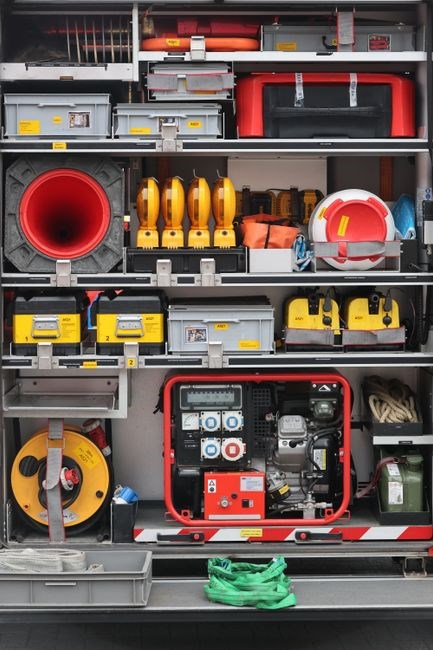
Guidelines on Fire Protection Systems and Appliances
Follow MSC/Circ.853 circular guidance for designing effective fire-protection systems and appliances to ensure hazardous material safety compliance standards globally today now always forever strictly immediately.
Apply MSC/Circ.853 Circular for Fire Protection Design
The MSC/Circ.853 circular provides essential guidance on the design, installation, and maintenance of fire-protection systems and appliances specifically for vessels carrying hazardous materials. This International Maritime Organization document outlines detailed requirements for fixed fire-extinguishing systems, detection alarms, and structural fire protection measures to mitigate risks associated with dangerous goods transportation. Engineers and safety officers must apply these standards to ensure compliance with SOLAS regulations and enhance onboard safety protocols. The circular addresses specific hazards presented by various cargo classes, offering tailored solutions for machinery spaces, cargo holds, and deck areas. Regular inspections and adherence to testing procedures mandated by this circular are crucial for maintaining system integrity and operational readiness during emergencies involving flammable or toxic substances globally recognized standards ensure maximum protection effectiveness for all maritime personnel.
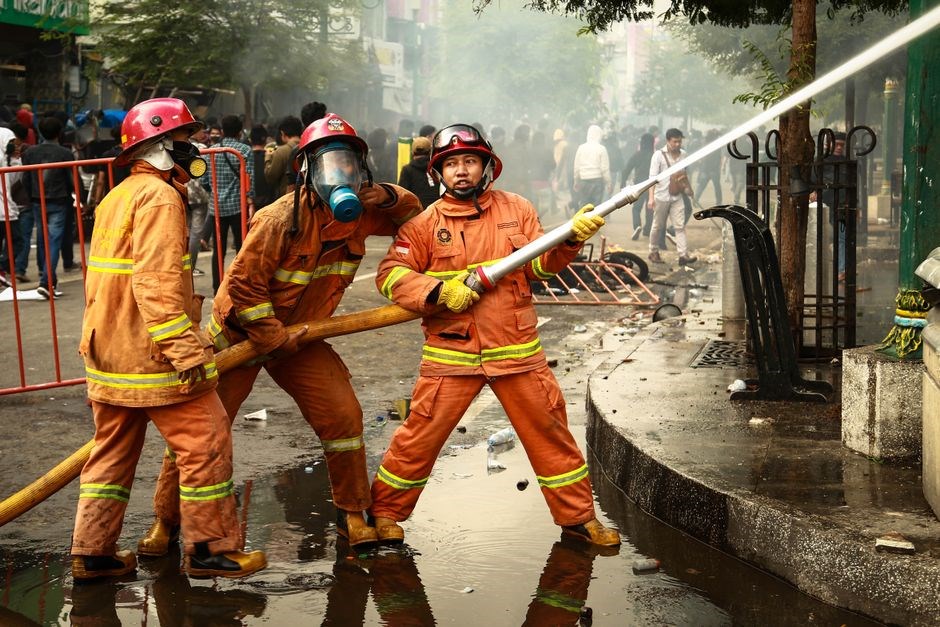
IMO Resolutions Relevant to Hazardous Material Management
Integrate IMO Resolution 143 and Collection 44 into hazardous material safety planning, ensuring maritime compliance and effective emergency response protocols for dangerous goods transport globally.
Integrate IMO 143 and 44 Resolutions into Safety Planning
Maritime operators must incorporate IMO Resolution 143 and Collection 44 into their safety planning to address hazardous material risks effectively. Resolution 143 establishes mandatory fire‑protection measures for ships carrying dangerous goods, while Collection 44 provides detailed guidelines on classification, stowage, and emergency response procedures. By aligning shipboard fire‑protection systems with these standards, owners ensure compliance with international regulations and enhance crew preparedness. The integration process begins with a review of the NFPA fire protection guide for hazardous substances, available as a free PDF, to identify engineering controls. Subsequent steps include updating vessel safety management manuals, conducting training sessions, and performing audits to verify that fire detection, suppression, and containment equipment meet the prescribed performance criteria. Continuous improvement cycles reinforce resilience against chemical fires and mitigate potential environmental impacts.
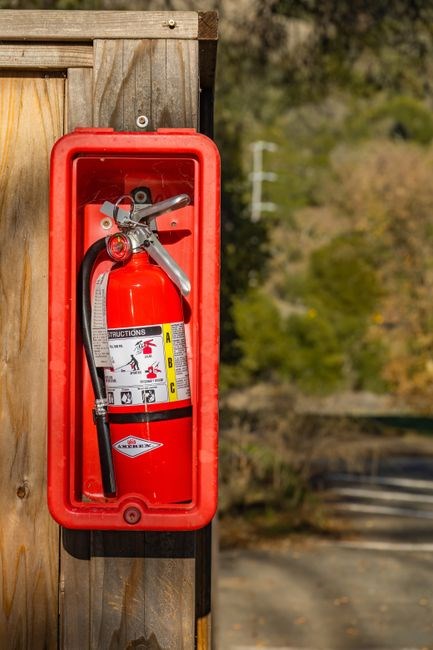
Fire Hazard Testing for Building Materials
Download the free NFPA fire protection guide PDF, detailing building material fire hazard tests, thermal analysis procedures, and heat resistance standards for safety compliance today.
Conduct Thermal Analysis and Assess Heat Resistance Standards
Download the free NFPA 13th Edition PDF, which includes detailed thermal analysis procedures for hazardous materials. The guide outlines step‑by‑step methods to evaluate heat release rates, ignition temperatures, and flame spread indices. It emphasizes standardized ASTM and ISO tests, such as ASTM E1354 for surface burning characteristics and ISO 5660 for heat release measurements. The document also provides guidance on interpreting results, establishing fire‑resistance ratings, and selecting appropriate fire‑stop assemblies. Engineers can use the provided tables to compare material performance under simulated fire scenarios. The PDF offers case studies illustrating how thermal data informs design decisions for storage facilities, transit containers, and building envelopes. By downloading this resource, professionals gain access to up‑to‑date compliance criteria and best‑practice recommendations for hazardous material fire safety and continuous improvement for safety.
Computational Fluid Dynamics in Hazardous Fire Simulation
Apply ANSYS FLUENT CFD for hazardous fire simulation, modeling spread, smoke transport, heat transfer, and toxic gas dispersion extremely accurately and effectively right now today.
Use ANSYS FLUENT for Detailed Fire Spread Modeling
Engineers utilize ANSYS FLUENT computational fluid dynamics software to simulate hazardous material fire spread with high fidelity. This advanced solver models turbulence, combustion reactions, radiation heat transfer, and species transport simultaneously. The theory guide provides governing equations for reacting flows, enabling accurate prediction of flame propagation, smoke movement, and toxic gas concentrations in complex geometries. Users define boundary conditions representing storage vessels, ventilation systems, and ignition sources. Transient analysis captures dynamic fire growth, flashover potential, and structural response to thermal loads. Validation against experimental data ensures reliability for safety engineering decisions. Post-processing visualizes temperature contours, velocity vectors, and concentration gradients, facilitating risk assessment for chemical facilities. This methodology supports performance-based design, emergency planning, and regulatory compliance for hazardous substance storage effectively mitigating significant fire risks worldwide right now.
Coal Seam Fire Hazards with High Gas Content
Coal seams rich in methane pose fire risks. Proper ventilation, gas monitoring, and ignition prevention are essential to mitigate spontaneous combustion and ensure worker safety.
Mitigate Fire Risks in Coal Beds Containing Methane
Effective mitigation of fire risks in methane-rich coal beds requires a proactive approach integrating geological assessment, gas drainage, and inertization techniques. Operators must conduct thermal analysis to identify spontaneous combustion propensity zones. Implementing continuous gas monitoring systems allows detection of methane accumulation, triggering ventilation adjustments. Deep drainage boreholes reduce gas pressure and content, lowering explosion likelihood. Inert gas injection, using nitrogen or carbon dioxide, displaces oxygen within goaf areas, suppressing oxidation reactions. Sealing sections prevents air leakage, maintaining inert atmospheres. Regular inspection of electrical equipment ensures strict safety standards prevent ignition sources. Emergency preparedness comprehensive plans must address evacuation and firefighting protocols for environments. Training personnel on gas behavior and warning indicators enhances situational awareness. Adherence to governmental regulations and international standards ensures risk reduction across long-term lifecycle.
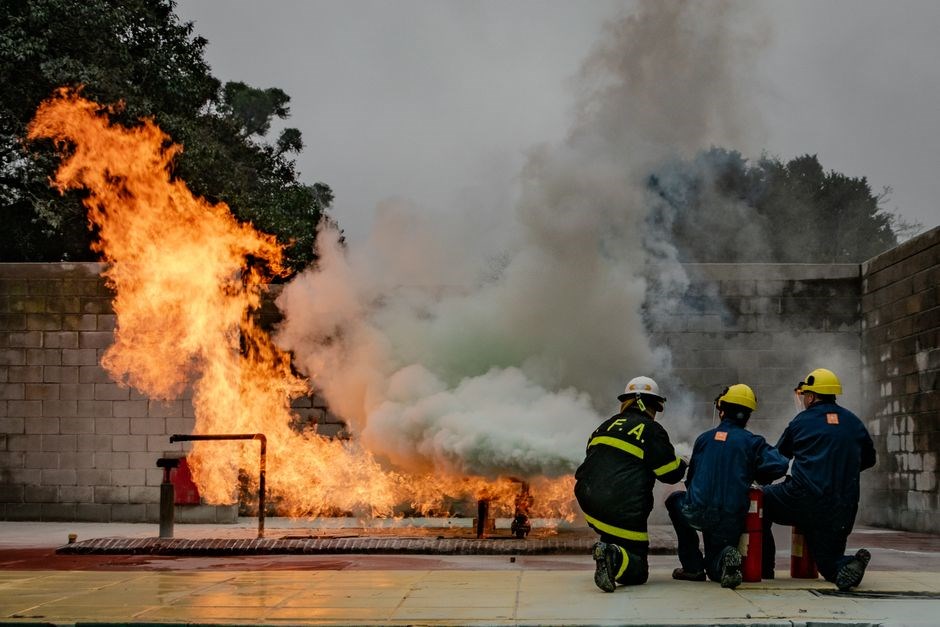
Industrial Safety Standards for Hazardous Storage Facilities
Follow strict explosion and fire-hazardous facility regulations for raw vegetable material storage, processing, and utilization ensuring full compliance with updated 1993 industrial safety standards.
Follow Explosion- and Fire-Hazardous Facility Regulations for Raw Vegetable Materials
Regulations governing explosion-hazardous and fire-hazardous facilities for vegetable raw material storage, processing, and utilization establish critical safety protocols. Originating from 1993 standards, these rules mandate specific structural integrity, ventilation systems, and dust suppression measures to mitigate ignition risks inherent in organic dust accumulation. Compliance requires rigorous hazard classification zones, certified electrical equipment installation, and automated fire detection networks. Personnel training programs must address specialized extinguishing techniques for deep-seated smoldering fires common in bulk piles. Regular inspections verify adherence to maximum pile height limits, moisture content monitoring, and spontaneous combustion prevention strategies. Documentation includes emergency response plans coordinated with local fire departments, ensuring rapid containment. Adherence minimizes catastrophic loss, protecting workers, infrastructure, and surrounding environments from devastating dust explosions and sustained thermal decomposition events effectively today right now for maximum safety
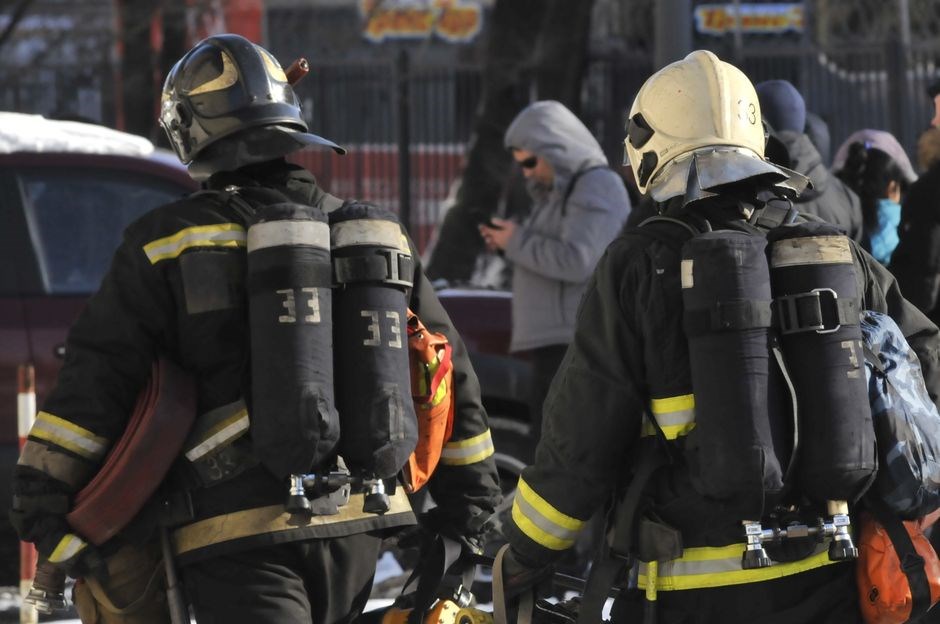
Training of Firefighters for Hazardous Material Fires
Firefighter training programs emphasize extinguishing techniques for chemical fires, focusing on hazard recognition, specialized equipment deployment, and coordinated incident command strategies for hazardous material emergencies.
Implement Advanced Extinguishing Techniques for Chemical Fires
The downloadable NFPA 13th Edition guide outlines advanced extinguishing techniques for chemical fires. It details foam, dry chemical, and CO₂ suppression systems tailored to flammable liquids, acids, and alkalis. The manual emphasizes proper agent selection based on fire class, chemical compatibility, and environmental impact. It includes step‑by‑step procedures for deploying portable extinguishers, fixed suppression arrays, and integrated sprinkler systems. Training modules illustrate scenario‑based drills, emphasizing rapid response, hazard identification, and protective equipment usage. The guide also covers decontamination protocols, containment strategies, and post‑incident analysis to prevent recurrence. By following these evidence‑based practices, firefighters can reduce damage, protect personnel, and ensure compliance with international safety standards. Additionally, the PDF provides case studies of chemical fire incidents, illustrating lessons learned and best practices for continuous improvement in all operational contexts.
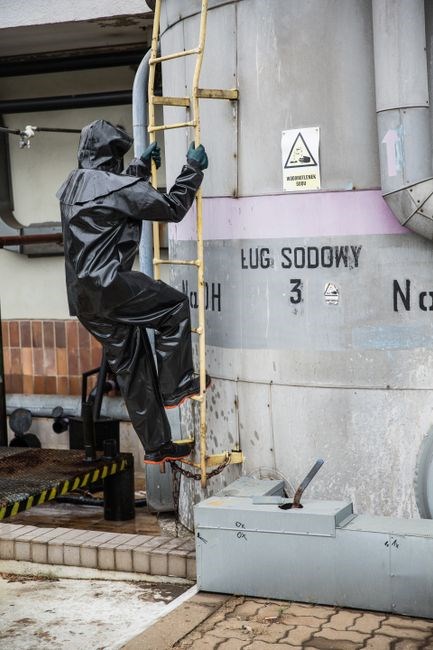
Safe Disposal of Old Electrical Appliances Containing Hazardous Substances
Download the free PDF guide detailing hazardous substance disposal, outlining safe dismantling, segregation, recycling, and compliance with environmental regulations to prevent fire hazards and risk.
Adopt Correct Disposal Practices to Prevent Environmental Contamination
Proper disposal of obsolete electrical appliances containing hazardous substances is critical for preventing environmental contamination and mitigating fire risks. The guide emphasizes that old electrical products often harbor dangerous materials requiring specialized handling procedures. Users must adopt correct disposal practices, ensuring components are segregated and processed through certified recycling facilities rather than general waste streams. This prevents toxic leachate from entering soil and groundwater while reducing potential ignition sources in landfills. Compliance with regulatory frameworks ensures safe dismantling, neutralizing threats like heavy metals and persistent organic pollutants. The document outlines specific protocols for identifying hazardous constituents, safe removal techniques, and documentation requirements. Implementing these measures protects ecosystems, public health, and aligns with circular economy principles, minimizing the overall environmental footprint of electronic waste management effectively and safely today.
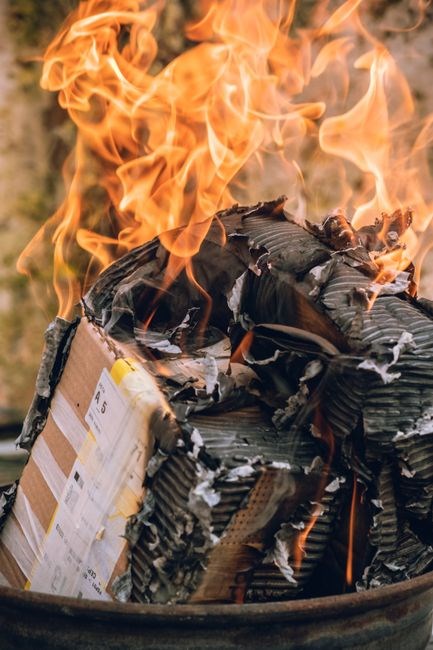
Protecting Bystanders During Hazardous Material Incidents
Deploy suitable screens and curtains to shield bystanders from fire spread and dangerous sparks during hazardous material incidents, ensuring public safety effectively always right now.
Deploy Screens and Curtains to Shield Public Areas from Fire Spread
Effective bystander protection during hazardous material incidents requires immediate deployment of screens and curtains around the hazard perimeter. These barriers shield the public from radiant heat, splatter, and sparks generated by chemical reactions or welding operations. Sparks and spatter can easily ignite flammable materials, escalating the emergency. Personnel must ensure all combustible debris, liquids, and vapors are cleared from the shielded zone before establishing the curtain line. The screens must be anchored to withstand wind pressure and explosion blasts. Regular drills ensure rapid deployment times under stress. Proper overlap of curtain panels eliminates gaps where projectiles might penetrate. This physical barrier strategy complements evacuation procedures, providing seconds for escape while containing the immediate fire spread within the designated hot zone, ultimately saving lives and reducing injury severity significantly.
Leave a Reply
You must be logged in to post a comment.